Getting Started with Digital Marketing as a Small Business Owner
Owning a small business means juggling countless responsibilities at once. So when experts tell you that you need a digital marketing plan, it’s easy to view that as yet another burden on an already overloaded plate.
The reassuring truth is that effective online marketing doesn’t demand deep pockets or formal training. What it does require is a clear roadmap. This guide walks through the fundamentals in manageable steps, giving you a way to start bringing in customers through digital channels right away.
Understanding Digital Marketing!
At its core, digital marketing covers any strategy that promotes your business online — your website, social media presence, email campaigns, and paid advertising all fall under this umbrella. It’s essentially a digital-age combination of a shop sign, a print ad, and word-of-mouth referrals.
The advantage for small business owners is that results are trackable. You can pinpoint how many people saw your ad, clicked through, or opened your email, which lets you direct your money toward what’s actually delivering results.
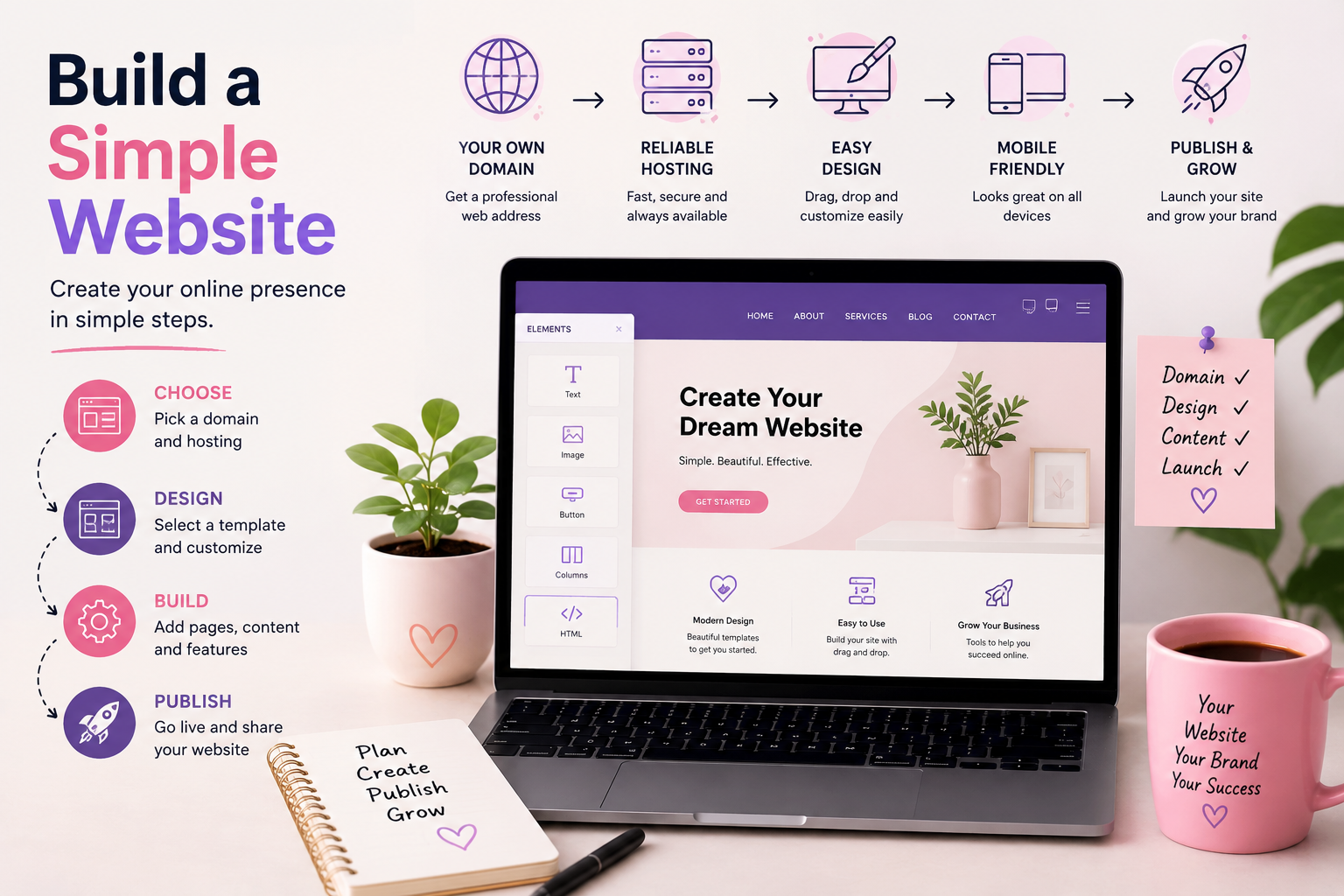
Step 1: Build a Simple Website
Think of your website as your digital headquarters. There’s no need for elaborate design or a dozen pages — it just needs to quickly answer three things: what you’re offering, who it’s meant for, and how someone can reach out or make a purchase.
Make sure it works well on mobile devices, since the majority of visitors will be browsing from their phones rather than a computer. A site that’s slow or hard to navigate will drive people away almost instantly.
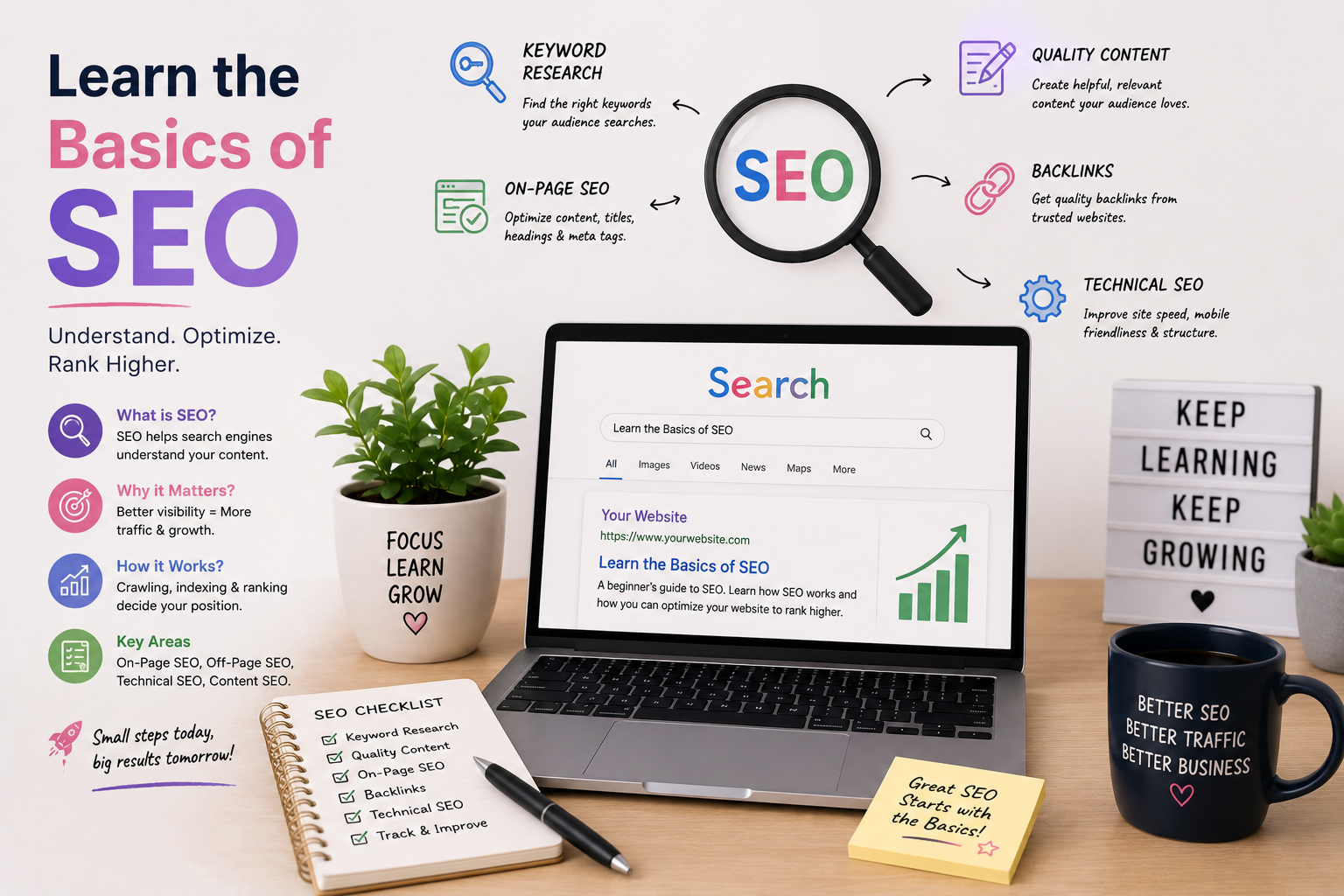
Step 2: Learn the Basics of SEO
Search engine optimization, or SEO, determines whether your business appears when someone types in a query like “bakery near me” or “reliable electrician in [city].”
You don’t have to become an expert right away. Begin with a few manageable actions: include your location and services in page titles, keep your descriptions brief and clear, encourage satisfied customers to leave Google reviews, and set up your free Google Business Profile.
Even these basic steps can meaningfully boost your visibility in local search results.
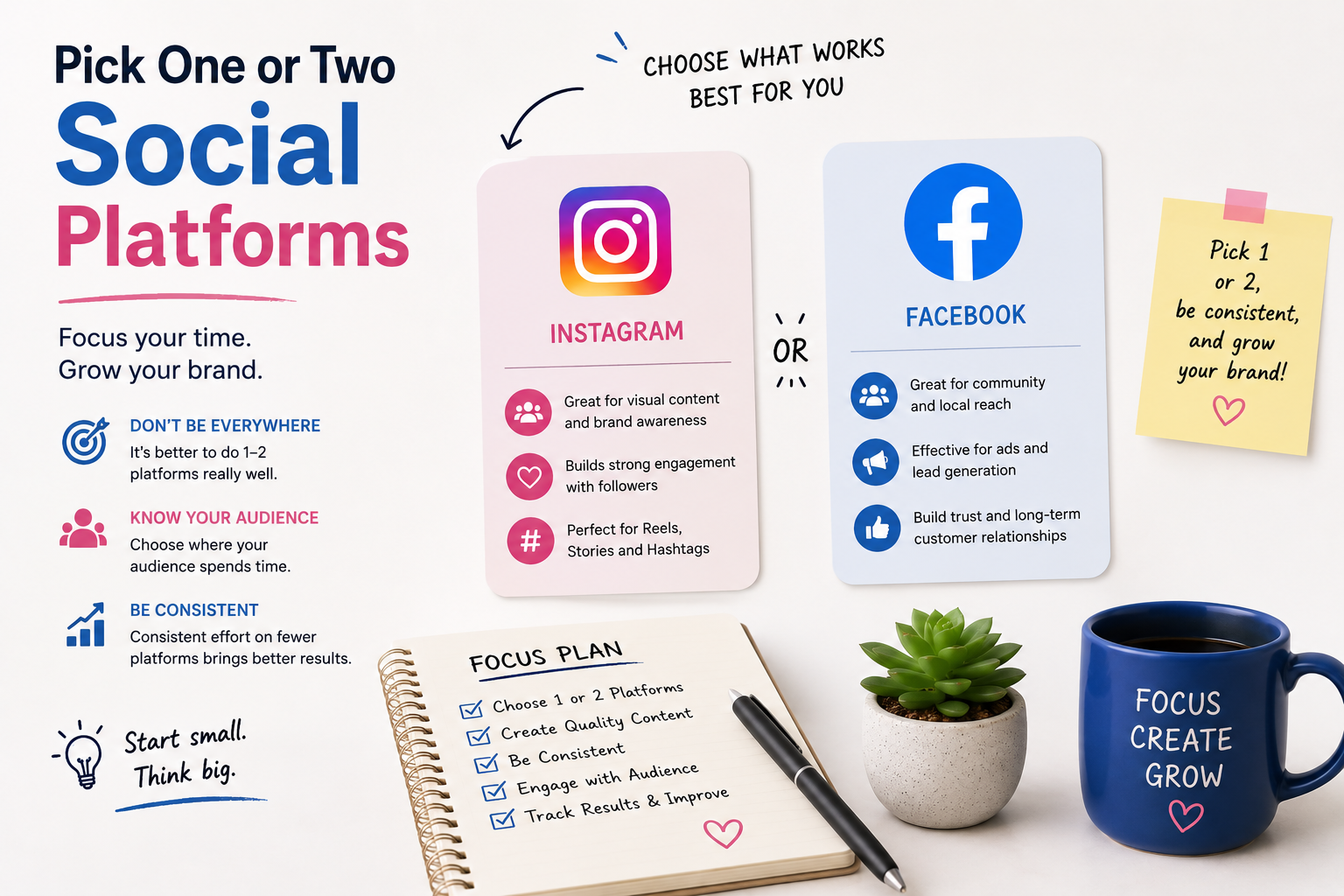
Step 3: Pick One or Two Social Platforms
Among all marketing channels, email continues to offer some of the best returns for small businesses. Anyone who visits your website or physical location is a potential subscriber. Entice them with something of value — a coupon, a useful resource, or a free consultation — in return for their contact information.
Keep your emails brief and genuinely useful. A short monthly newsletter with a helpful tip and a special offer will outperform a lengthy message that no one finishes reading.
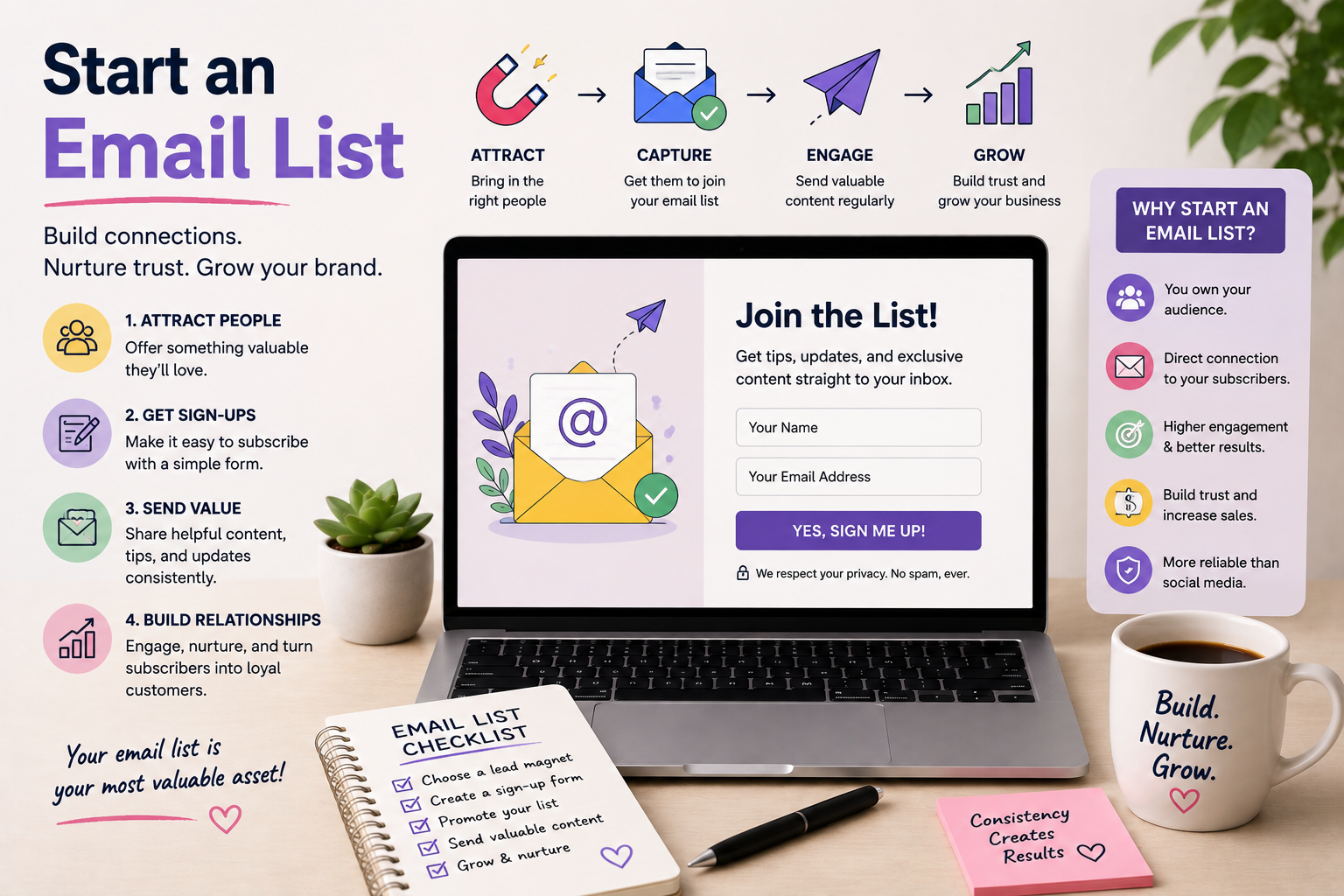
Step 4: Start an Email List
Email marketing remains one of the highest-return channels available to small businesses. Every visitor to your site or store is a potential subscriber. Offer something small — a discount, a checklist, a free consultation — in exchange for their email address.
Then send helpful, short emails. A simple monthly update with a tip and an offer beats a wall of text nobody reads.
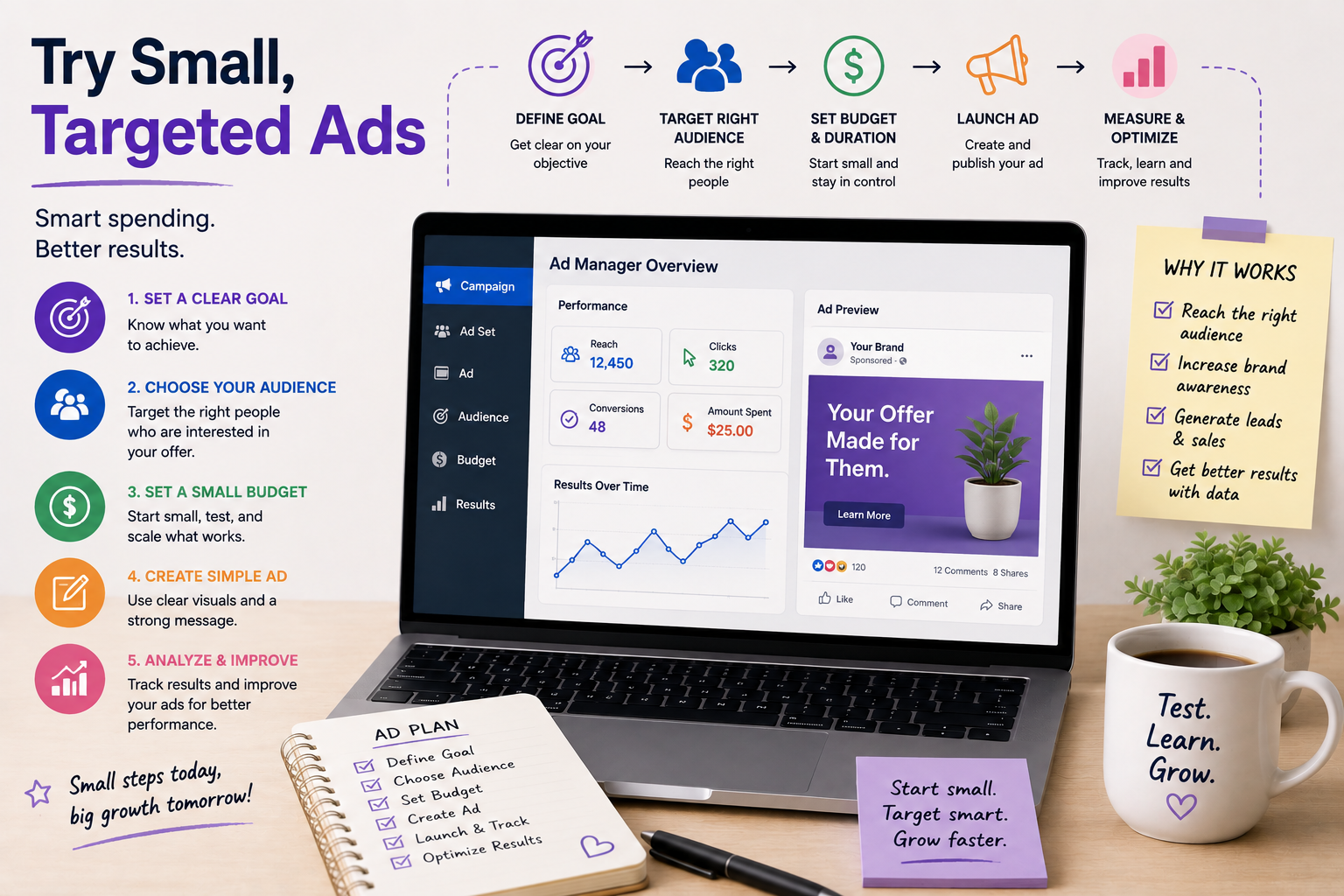
Step 5: Try Small, Targeted Ads
Paid advertising might sound daunting, but you can begin with a minimal daily budget. Tools like Google Ads and Meta Ads allow you to narrow your audience by geography, interests, and online behavior.
Set one clear objective at first — such as driving traffic to your site or generating phone calls — and give it a couple of weeks before increasing your spend. Small, incremental experiments are more effective than one large gamble.
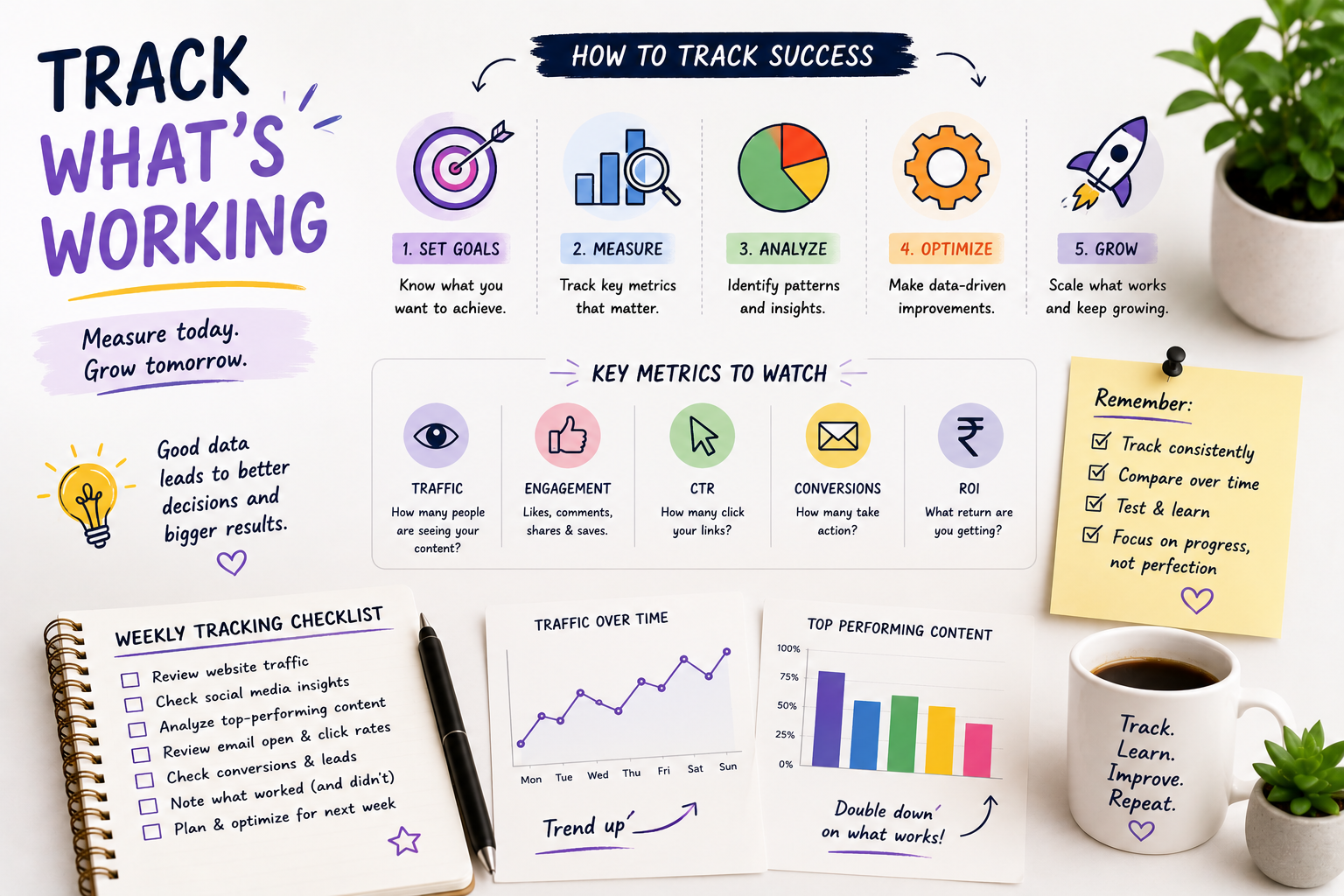
Step 6: Track What's Working
None of this matters if you’re not measuring outcomes. Free resources like Google Analytics and the native analytics on social platforms let you see which content resonates, which emails get opened, and which ads translate into leads or sales.
You don’t need to obsess over every metric. Focus on three key indicators — site traffic, email sign-ups, and sales inquiries — and review them each month.
Pitfalls to Watch For
Spreading yourself too thin. Master one or two channels before adding more.
Neglecting mobile optimization. Phone users make up the bulk of your traffic.
Publishing content without purpose. Every piece should move someone closer to a purchase, sign-up, or review.
Quitting prematurely. Real results from digital marketing take weeks or months to materialize, not days.
Wrapping Up
Succeeding at digital marketing as a small business isn’t about tackling every available tactic simultaneously. It comes down to selecting a handful of core actions — a functional website, foundational SEO, a single social platform, an email list, and modest ad experiments — and sticking with them over time.